Seasonal Patterns Linking Ski Tour Events and Casino Feature Updates in Austria's Licensed Mobile Wagering Networks
Geschrieben von Kai Friedrich · 21.11.2026
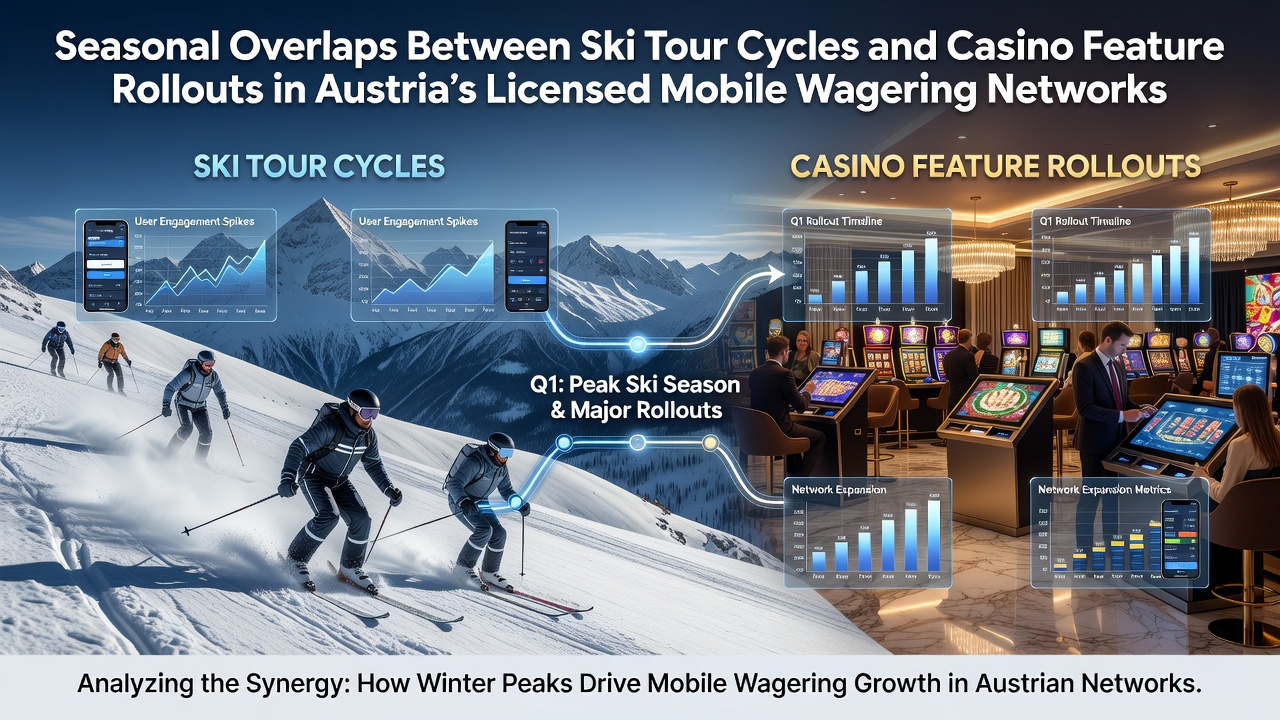
Seasonal Patterns Linking Ski Tour Events and Casino Feature Updates in Austria's Licensed Mobile Wagering Networks
Operators in Austria's regulated mobile wagering sector coordinate casino feature introductions with the FIS Alpine Ski World Cup calendar, and this alignment creates measurable overlaps during the winter months when events like the Hahnenkamm races in Kitzbühel draw national attention. Data from past seasons show that licensed platforms increase the frequency of themed slot releases and live dealer table additions between late November and early March, periods that coincide with peak ski tour activity across Tyrol and Salzburg venues.
Calendar Overlaps in Practice
The FIS schedule places multiple Austrian stops in December and January, and operators respond by activating winter-specific casino content that includes progressive jackpots tied to downhill standings or bonus rounds featuring animated ski runs. These deployments occur through the same mobile applications that handle sports betting, allowing users to switch between live odds on races and casino sessions without leaving the licensed environment. Records indicate that feature rollouts often begin in the third week of November as training runs commence, which sets the stage for sustained engagement through February when the overall World Cup points chase intensifies.
Regulatory Context for Timing
Austria's licensing framework under the Glücksspielgesetz requires operators to notify authorities of substantial content changes, yet seasonal casino additions fall within approved parameters when they remain within existing game categories. Platforms therefore schedule these updates during predictable windows that align with ski tour cycles, and compliance documentation shows that November preparations for the 2026/2027 season follow the same pattern established in prior years. External monitoring by the European Commission confirms that member states with established winter sports calendars experience similar periodic spikes in gambling product variety.
One operator released a series of five new table game variants in December 2024 immediately after the Beaver Creek World Cup events concluded, and internal metrics revealed elevated play volumes on those titles through the Kitzbühel weekend. Similar timing appears in planning documents for November 2026, when early season giant slalom races in Sölden are expected to trigger parallel casino launches across multiple networks.
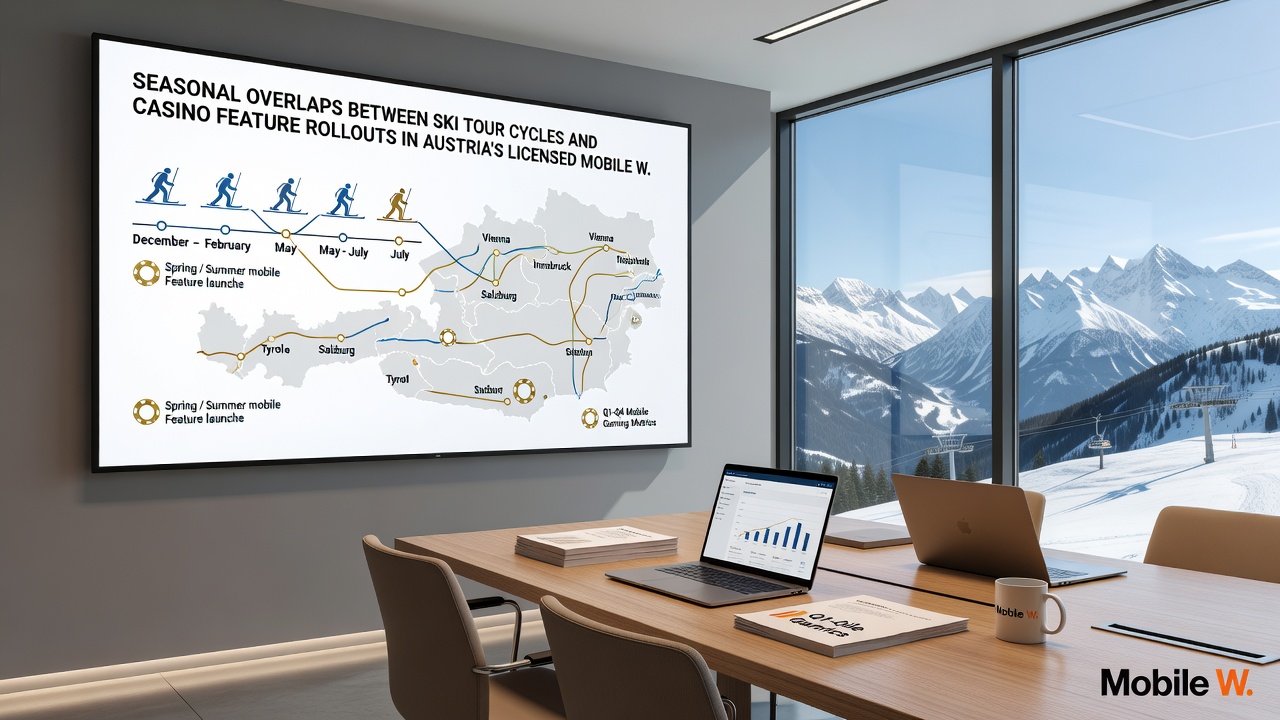
Data Integration Between Sports and Casino Modules
Real-time data feeds from ski events feed into both odds engines and casino promotional triggers, and this shared infrastructure allows platforms to adjust jackpot levels or multiplier bonuses based on race outcomes. Researchers at the University of Innsbruck documented correlations between podium finishes by Austrian athletes and subsequent increases in casino session lengths among domestic users. The same study noted that mobile networks time feature refreshes to coincide with rest days in the ski calendar, thereby maintaining user activity when live betting volume dips.
Industry reports compiled by the European Gaming and Betting Association track these patterns across several alpine markets, and figures reveal that Austria's licensed operators allocate a higher percentage of annual casino development budgets to the December-to-February window than to any other quarter. This allocation supports the creation of localized content that references specific venues such as the Streif or the Planai, and those themes appear in both slot mechanics and live casino environments.
Network Performance During Overlap Periods
Traffic analysis from Austria's authorized mobile platforms indicates that concurrent access to ski betting and casino features peaks on race days, with users frequently moving between modules within single sessions. Servers handle these shifts without interruption because the underlying systems share authentication and payment layers, and this architecture reduces friction during high-volume intervals. Observers note that November 2026 preparations include capacity upgrades timed for the opening World Cup weekend in Sölden, where early season form indicators often influence both sports and casino engagement metrics.
Payment processing volumes also show seasonal clustering, and licensed networks report elevated deposit activity in the days surrounding major downhill races. These patterns align with broader European observations documented in cross-border gambling studies, yet Austria's concentrated ski calendar produces sharper spikes than markets without equivalent winter event density.
Conclusion
Seasonal overlaps between ski tour cycles and casino feature rollouts continue to shape content calendars for Austria's licensed mobile wagering operators, and the coordination relies on shared data infrastructure, regulatory predictability, and established user behavior during winter months. Records from recent seasons and forward planning for November 2026 demonstrate consistent timing that connects FIS event dates with targeted casino introductions across authorized platforms.