Mapping Austrian Data Analytics Shifts in Live Casino Integrations for Non-Major Sports Seasons
Geschrieben von Kai Friedrich · 24.10.2026
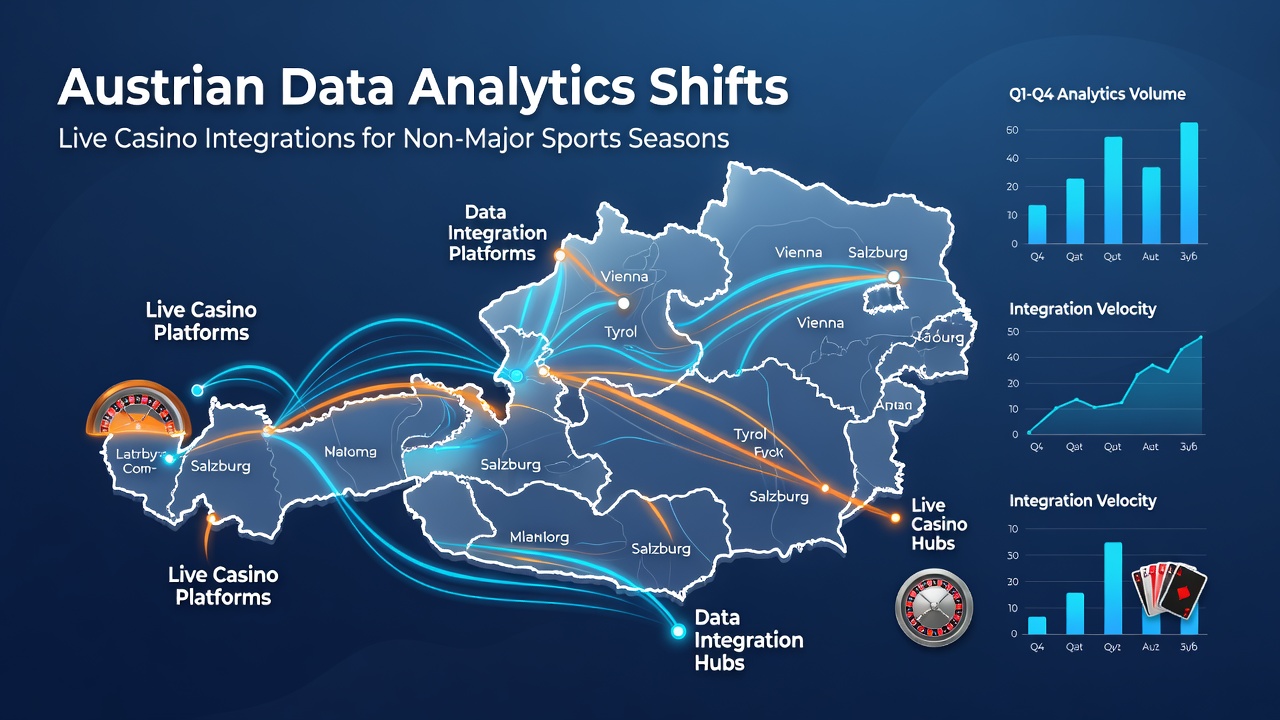
Mapping Austrian Data Analytics Shifts in Live Casino Integrations for Non-Major Sports Seasons
Austrian operators have tracked measurable changes in how data analytics supports live casino features when attention turns away from headline sports events, and these patterns show up most clearly during transitional periods such as October 2026 when several domestic leagues enter mid-season adjustments. Licensed platforms collect granular metrics on player session length, bet frequency, and feature engagement, then feed those numbers into real-time calibration tools that adjust casino game availability alongside live odds for handball, volleyball, and basketball fixtures.
Seasonal Data Patterns in Austrian Markets
Records from Austria's licensed operators indicate that traffic to integrated casino environments rises when non-major sports schedules dominate the calendar, and analysts attribute this movement to extended dwell times during lower-profile matches. Systems record higher volumes of micro-session activity in slots and table games that run parallel to live betting interfaces, with timestamped logs revealing spikes that align with game breaks rather than final whistle moments. Operators apply clustering algorithms to separate these behaviors from peak football or tennis windows, which allows them to fine-tune promotional triggers and game loading sequences without relying on the same models used during major tournaments.
Integration Techniques and Tooling Updates
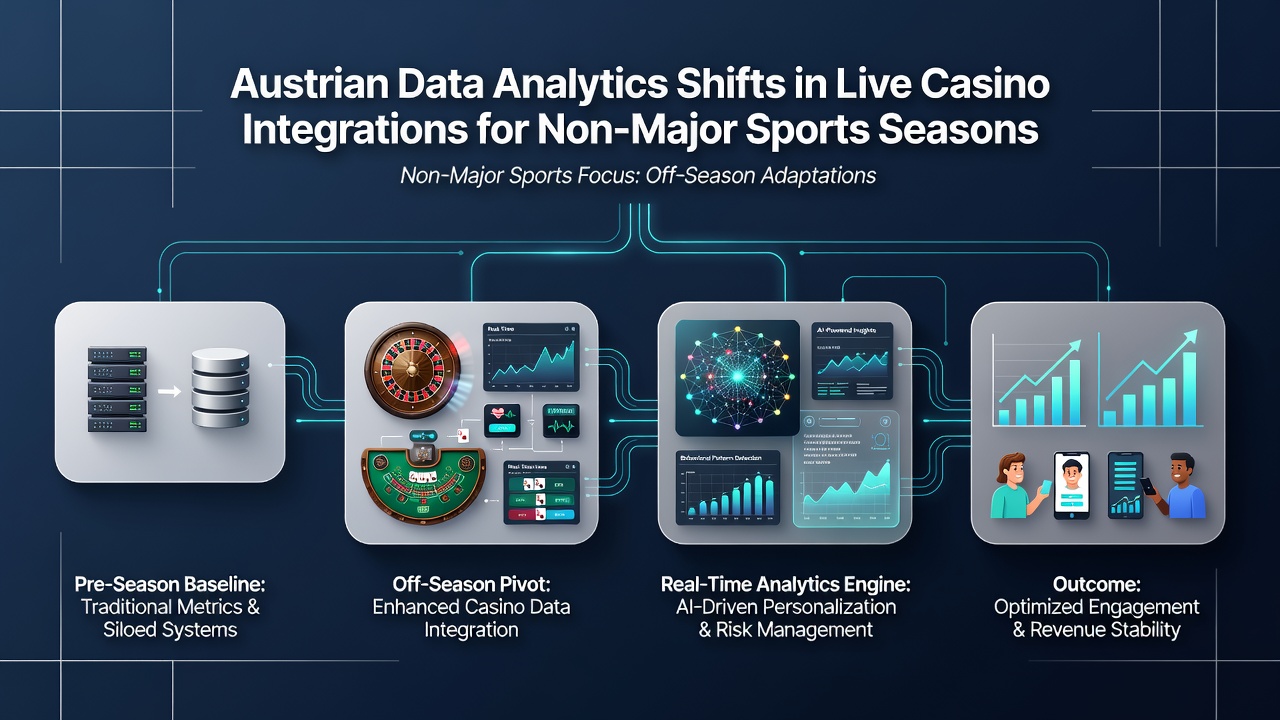
Technical teams at authorized Austrian sites have shifted toward modular data pipelines that ingest both sports telemetry and casino telemetry through a single dashboard, and this consolidation reduces latency when switching between live odds displays and casino lobbies. Middleware solutions now map player identifiers across both environments while complying with strict data separation rules set by national regulators, so session histories inform personalization without merging financial records. During the 2025-2026 cycle, several platforms introduced graph-based analytics that visualize cross-product journeys, showing how a handball wager often precedes a short casino spin sequence within the same browser tab.
Regulatory Context and Reporting Requirements
Austria's licensing framework requires operators to submit quarterly reports that detail how analytics support responsible gaming measures across all verticals, and these filings now include specific sections on non-major sports periods because regulators have noted distinct engagement curves. Data shared with the Austrian Federal Ministry for Labour and Economy shows that session timeout prompts activate more frequently during extended basketball quarters than during football halves, prompting refinements in alert timing algorithms. External benchmarks from the European Gaming and Betting Association provide comparative figures across member states, confirming that Austrian operators allocate a larger share of analytics resources to these shoulder seasons than neighboring markets.
Case Examples from Platform Implementations
One mid-sized Austrian licensee documented a 14 percent increase in concurrent casino sessions during the Austrian Volleyball League's October schedule in 2025 after deploying predictive models that pre-load game assets based on live match data. Another operator adjusted its bonus activation logic after reviewing heat maps that linked volleyball set changes to elevated roulette table entries, and the revised triggers now fire within a 90-second window of each set conclusion. These adjustments rely on anonymized cohort analysis rather than individual profiling, which keeps the process aligned with national privacy statutes while still delivering measurable uplift in feature retention.
Future Calibration and October 2026 Outlook
Planning documents circulating among Austrian technology providers point to expanded use of reinforcement learning models that test casino integration scenarios against historical non-major sports datasets, and preliminary runs scheduled for October 2026 aim to validate performance under variable network loads. Industry reports from the Canadian Gaming Association highlight similar experimentation in other regulated jurisdictions, offering Austrian teams reference architectures that separate sports data streams from casino engines at the infrastructure layer. Observers note that these parallel developments reduce the risk of cross-contamination when regulators conduct compliance audits.
Conclusion
Austrian data practices around live casino integrations continue to evolve in step with the rhythms of domestic non-major sports calendars, and the October 2026 window will serve as a further testbed for refined analytics pipelines. Licensed operators maintain detailed logs that feed both internal optimization and external reporting obligations, while modular tooling ensures that adjustments remain technically feasible and regulatorily sound. The patterns observed so far demonstrate that seasonal data streams carry distinct signals that warrant dedicated calibration approaches separate from major event protocols.